
Federal Prison Release Paths
The Federal Bureau of Prisons confines people sentenced in federal court. It does not run the Shackelford County Jail, and an ordinary local arrest does not create a BOP record. No BOP institution was identified within Shackelford County. A person tied to the county may enter the federal system after federal prosecution or an agency transfer, but that link must come from an affirmative court or custody record.
A BOP exit can be release to the community, transfer to another custodian, or movement into a status outside BOP control. Federal supervised release is a court-ordered period in the community after imprisonment. It differs from Texas parole and from county probation. The sentencing court's judgment sets its terms. A locator result labeled “Released” or “Not in BOP Custody” means the person is no longer held by BOP, not that every legal restraint has ended.
| Question | Federal source |
|---|---|
| Current or former BOP status | BOP Inmate Locator |
| Sentence and supervised release | Federal court docket and judgment |
| Historical Marshals custody | USMS FOIA |
| Immigration custody after exit | ICE locator and DRIL |
Confirm a Federal Prison Release
The BOP Inmate Locator covers federal inmates from 1982 to the present. The strongest search uses a BOP register number. It also accepts DCDC, FBI, or INS number. A name search can include race, sex, and age filters. Compare the full name, register number, age, race, and sex before relying on a result.
Results can show release date and location or status. “Released” and “Not in BOP Custody” are useful completed-custody indicators when attached to the correct person. Still, a displayed date can be affected by federal sentence calculations, including First Step Act credits. A person can also leave BOP for another agency. Read the location or status and then use the court docket for the judgment and any supervised-release term.
- Search by federal identifier whenever possible.
- Compare all available identity fields, not the name alone.
- Record the exact release date and location or status label.
- Open the federal case record for the judgment and supervised-release terms.
- If another custodian is indicated, continue in that agency's official system.
BOP Release Records and Contact
The locator supplies a concise public status, not the full release file. When more detail is needed for a legal, personal, or records purpose, identify the federal case, register number, institution, and approximate release date. The federal court docket is the durable source for the sentence. BOP records can address imprisonment and release processing. If the U.S. Marshals Service held the person before designation or during transport, the agencies may hold distinct records.
USMS has no public name-based released-person locator comparable to BOP. Its Freedom of Information Act materials state that prisoner records may include data from its Justice Detainee Information System and prisoner tracking. Use a focused USMS FOIA request for historical Marshals custody. Do not treat the lack of a public USMS search result as release proof.
Federal Bureau of PrisonsNationwide federal prison system
Use the BOP Inmate Locator for public status
U.S. Marshals Service
Use FOIA for historical prisoner records
For a person first held in Shackelford County Jail, request the Sheriff's transfer and booking-out record too. That local record can identify the receiving federal agency and time the county episode ended. The BOP record answers the later federal question. Keeping the two episodes separate avoids labeling a county transfer as community release.
About Federal BOP Custody
BOP is a nationwide prison system. Its institutions vary by security level and program, and its official facility directory identifies locations and institutional contacts. No entry in the Shackelford Facility Map is a local BOP prison. The directory is therefore a routing tool after a matching BOP record identifies an institution, not evidence that a named person entered federal custody.
People awaiting federal proceedings may be held under U.S. Marshals authority in different facilities. A later federal sentence can produce BOP designation. Those are federal custody stages, even if a county jail or contract site supplies the bed. Search the federal docket and agency record for the legal custodian rather than inferring it from the building alone.
- BOP release
- The recorded end of Bureau of Prisons custody.
- Supervised release
- Federal court supervision in the community after imprisonment.
- Detainer
- A request or notice tied to another agency's legal authority.
- Transfer
- Movement from one custodian to another while custody continues.
View Federal Release Sources
The BOP facility directory is the official map of federal institutions and offices.
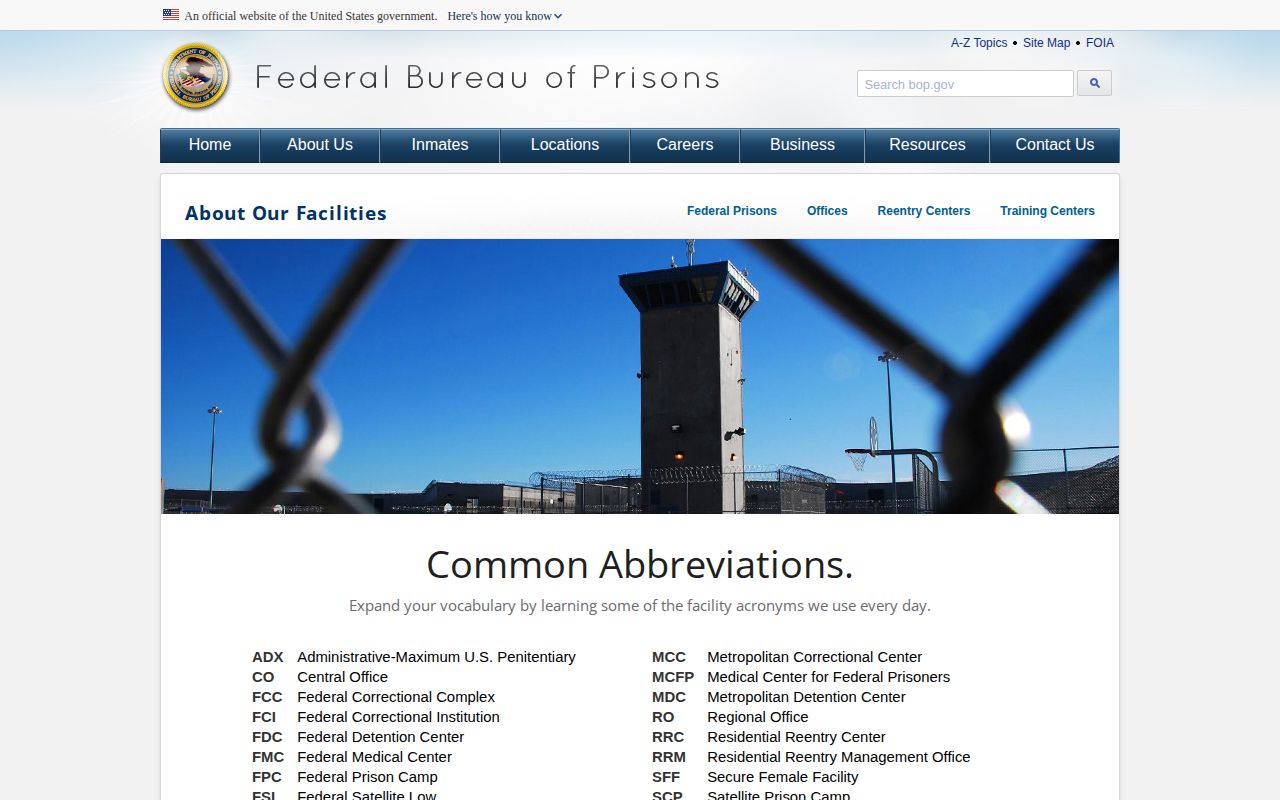
The directory helps locate the institution named on a BOP record. It does not turn a Shackelford County booking into a federal case.
BOP's inmate information and communication page explains how federal institution and inmate channels are organized.
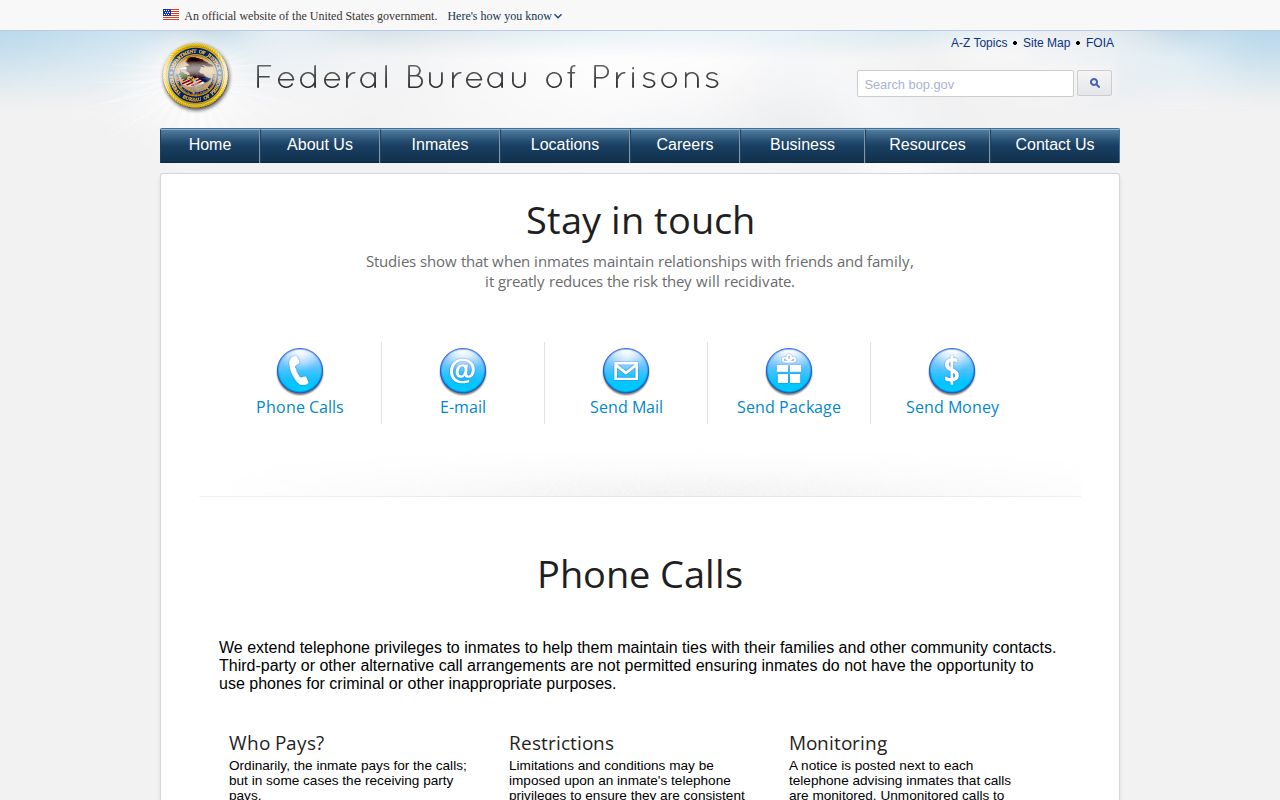
Institutional information can support follow-up while a person remains confined. Completed release is read from the locator and official records.
Federal and Shackelford Records
County and federal records answer separate parts of a custody history. The Shackelford Sheriff's booking-out entry may state that the person transferred to a federal agency. A federal docket can show the prosecution, judgment, and term. BOP can then show confinement and a public release result. None should be substituted for another.
If the county inquiry merely stops showing a name, call the Sheriff's Office and request the destination. Do not search BOP solely because the person disappeared. A negative BOP result also proves little. Names may vary, the federal episode may predate locator coverage, USMS rather than BOP may have held the person, or no federal custody may have existed.
The Shackelford County released-inmate record path starts with the system named in the official transfer record. For a TDCJ commitment, use state sources. For another county, use that county's official system. Federal sources belong only in a documented federal branch.
ICE Holds After BOP Release
An immigration detainer can make the end of BOP custody a transfer rather than an immediate return to the community. ICE describes detainers as requests for notice and, in some cases, continued custody for up to 48 hours beyond the ordinary release point so ICE can assume custody. The receiving agency must be confirmed from the record.
No ICE facility or contract was verified in Shackelford County. The possibility is conditional, not a statement that federal prisoners linked to the county face ICE action. If a BOP or court record names immigration custody, use the ICE Online Detainee Locator. It includes current detainees and some people released from ICE during the prior 60 days. Older or missing cases route to the ICE information line, field office, or FOIA.
ICE absence does not establish community release because the locator excludes some people and has limited released-person coverage. Pair the BOP status, transfer record, and ICE response. A record stating “Released” from BOP remains accurate about BOP even when another custodian immediately took control, but the broader outcome must be described as transfer.
Read the Federal Result
A strong federal release conclusion uses affirmative, matching data. The BOP result should match an identifier or several personal fields. The release date should fit the federal docket. Any supervised-release term should come from the judgment, not from a guess based on the locator's wording. If an agency transfer appears, the receiving system supplies the next status.
Updates and sentence calculations can change. Record the date of the search and preserve the exact labels. For a formal need, request the underlying record from the agency rather than relying on a screenshot alone. Personal reconnection and court-related questions often need both the release date and the destination, which may be held in different files.
A BOP result is unusually useful because it can retain a released footprint. That differs from the Shackelford current-inmate inquiry and TDCJ's current-only prison search. The difference reflects system design, not the reliability of a person's name. Always match the lookup tool to the custodian that actually held the person.